English
 Español
 عربى
عربى 中文简体
中文简体Upload your drawings, BOQ or specifications, and our team will review them for quotation and solution support.

Send inquiry

Upload your drawings, BOQ or specifications, and our team will review them for quotation and solution support.
In contemporary architectural practice, from residential developments to public buildings, the selection of window screens extends beyond their basic functions of insect prevention and ventilation. As an integral component of the fenestration system, screens directly impact a building's overall aesthetic, long-term maintenance costs, and user experience. Folding window screens, with their innovative flexibility and visual minimalism, are gaining increasing attention from architects and contractors for modern projects. Meanwhile, traditional fixed screens maintain a significant role in bulk residential construction due to their structural reliability and cost-effectiveness for standardized installation. From the perspective of project procurement and holistic building design, how should these two products be evaluated?
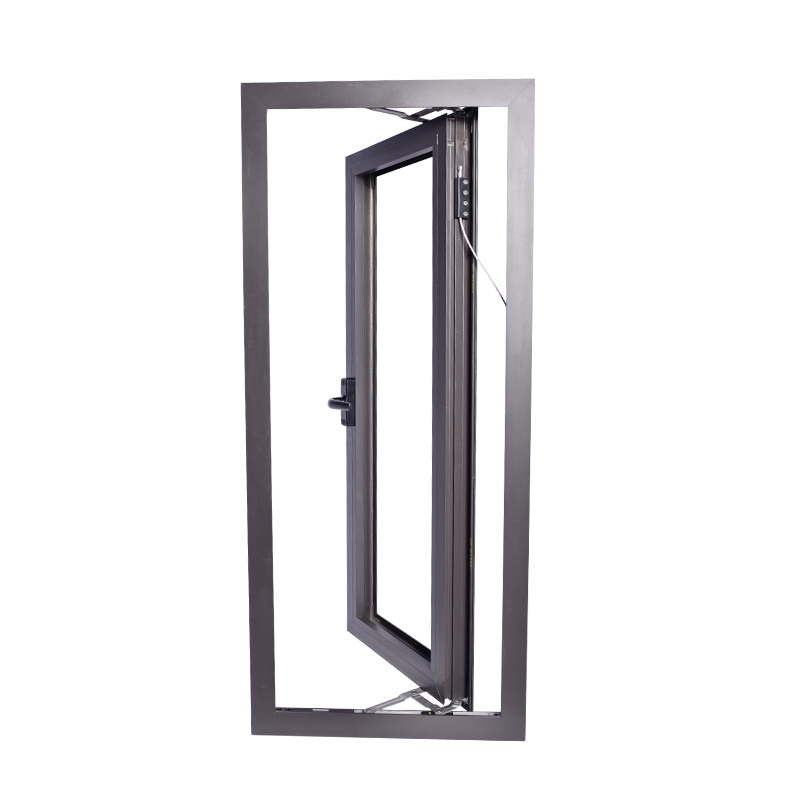
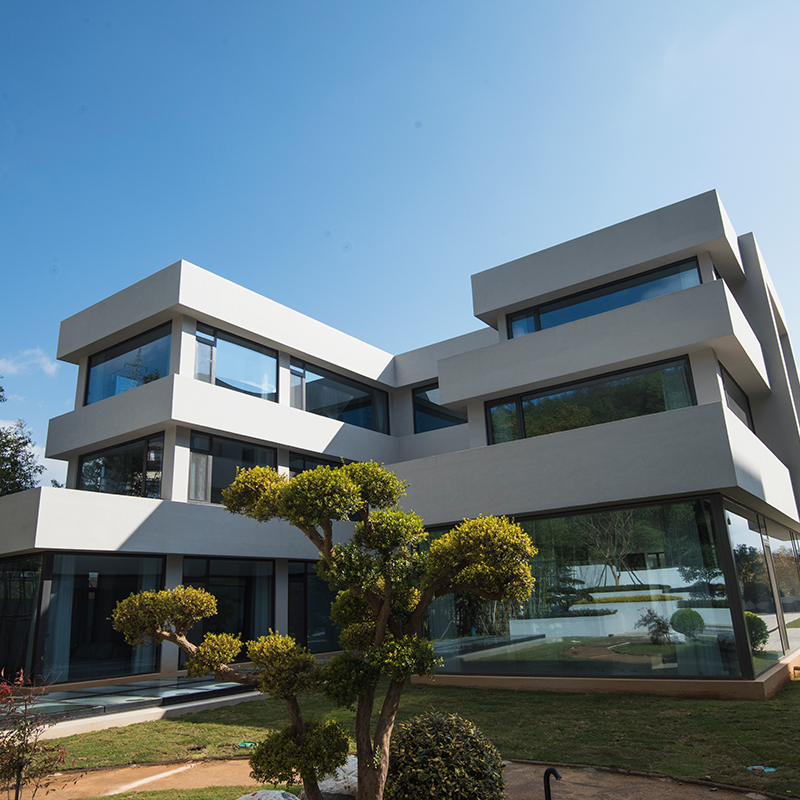
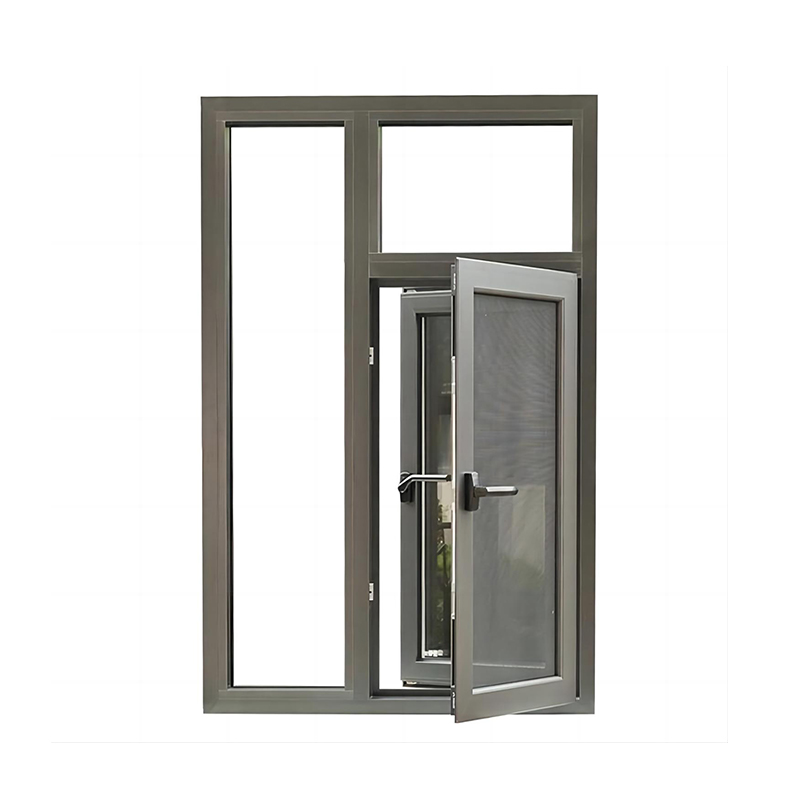
The choice between folding and fixed screens fundamentally reflects the project's design philosophy and cost-control strategy. Folding screens are engineered for modern architectural facades. Their core design features a fully integrated folding track system (e.g., top/bottom load-bearing rails) paired with high-tensile mesh fabric (such as fiberglass or polyester). The key engineering value lies in their "invisible storage" capability, allowing them to retract completely when not in use. This preserves the integrity of the building envelope, making them ideal for high-end projects with minimalist aesthetics, large vision glass, or high window-to-wall ratios, where they solve ventilation needs without the visual obstruction of a permanent screen.
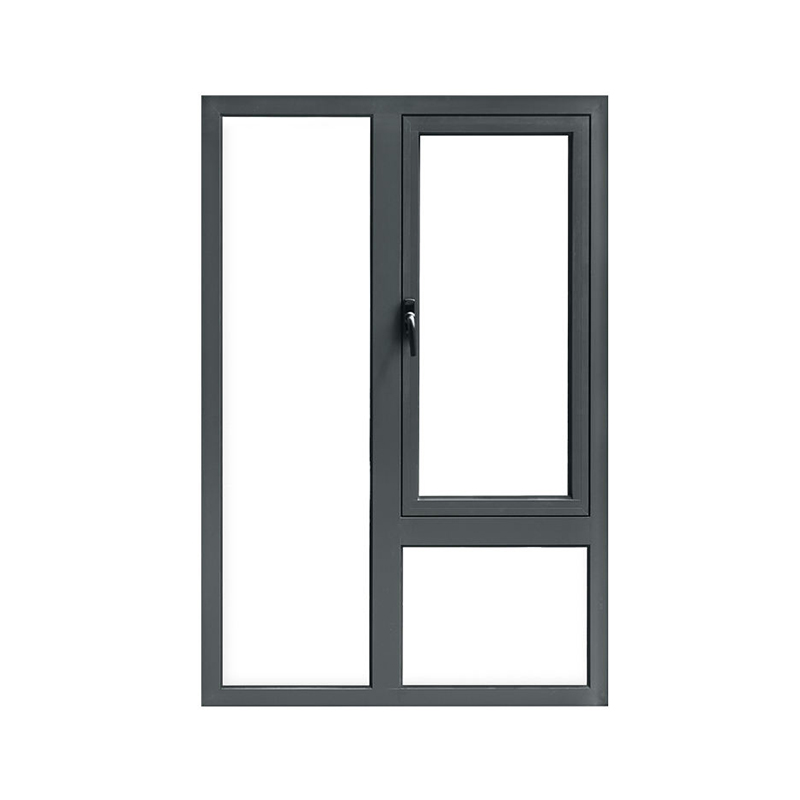
In contrast, fixed screens represent a mature, standardized solution valued for their reliability and cost efficiency. Constructed typically from aluminum, PVC, or painted steel frames with fixed mesh, their strength lies in their simple, robust structure with an extremely low failure rate. This makes them highly suitable for fast-track, large-volume residential projects where cost control and rapid deployment are paramount, as their performance and economics are well-proven in the market.
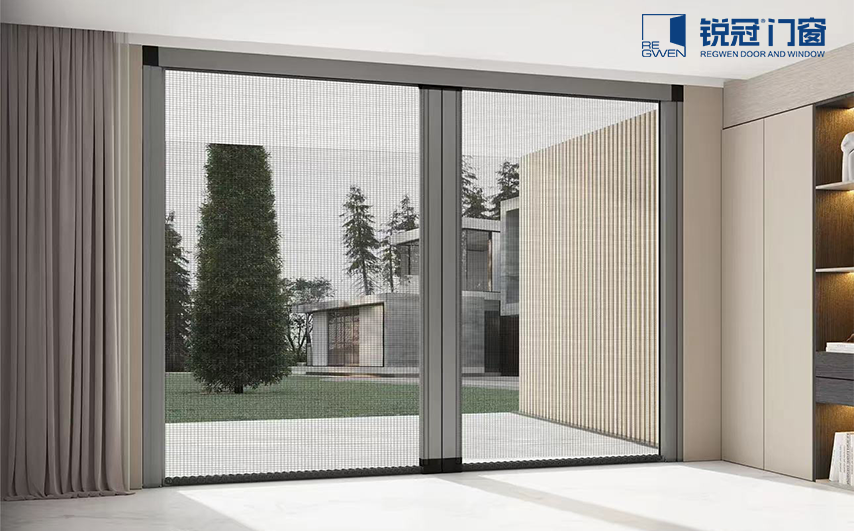
When considering installation and integration, a key engineering trade-off emerges between customization and standardization. The successful application of folding screens requires early-stage collaboration and precision. They are customized components that must be integrated during the fenestration installation phase, demanding high precision in aperture measurement and track alignment. We recommend involving our technical team for site coordination or installation guidance to ensure long-term, smooth operation and a proper seal. Their use necessitates close collaboration between the architect, window subcontractor, and screen supplier from the design phase. Fixed screens, however, offer high-efficiency standardization. Installed as a separate, post-fenestration trade, they can be fitted quickly after the main building and windows are complete. This offers scheduling flexibility, lower dependency on other trades, and reduced labor skill requirements, effectively controlling installation time and cost.
A rational engineering decision must look beyond initial purchase price to consider the Total Cost of Ownership (TCO). While folding screens carry a higher initial cost (typically 2-3 times that of fixed screens) and require more precise, professional installation, they contribute to lower long-term maintenance for the building facade and can enhance project value through superior aesthetics. Fixed screens excel in low initial and installation costs and are virtually maintenance-free, though the mesh may require replacement over the building's lifespan. Their contribution to project premium is minimal, serving primarily as a functional component.
Recommendations vary by project type. For high-end residences, hotels, or landmark buildings where premium aesthetics, views, and quality are the driving factors, folding screens are the preferred choice. Their "invisible" nature is key to realizing architectural design intent and enhancing perceived value, justifying the investment. For cost-sensitive, high-volume projects like social housing or student dormitories with tight deadlines, fixed screens provide the optimal total cost solution, reliably meeting functional standards. In commercial offices or complexes where maintainability and reliability are critical, a hybrid strategy can be effective: using fixed screens in high-traffic public areas for easy maintenance and folding screens in executive or VIP zones to match the premium specification. For retrofit and urban renewal projects, folding screens can serve as a facade enhancement element but require careful case-by-case assessment of existing structural compatibility, whereas fixed screens offer the lowest-risk, most universally compatible option.
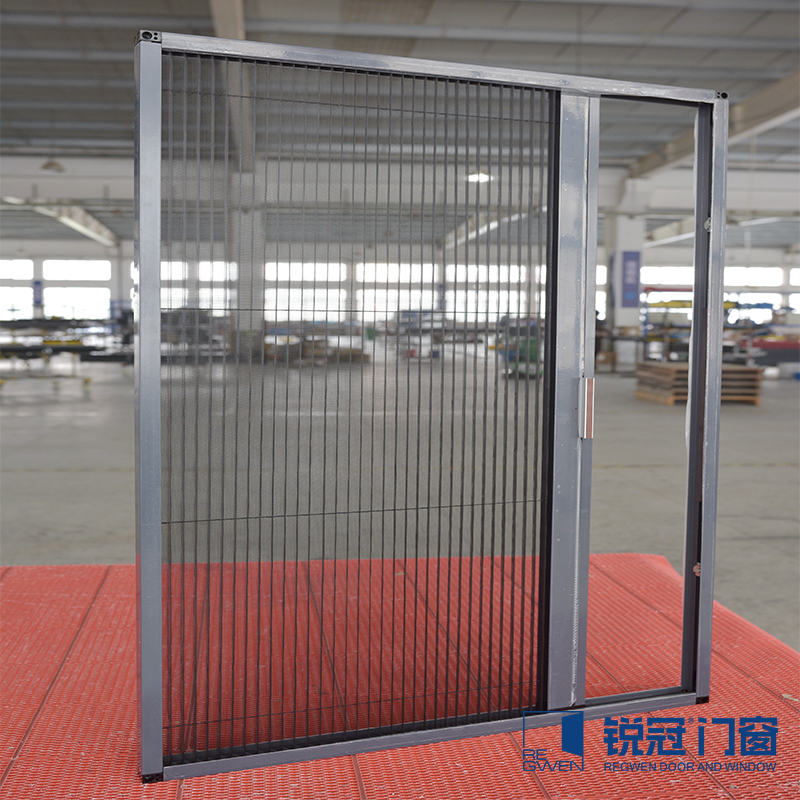
For our contracting partners, we offer key professional advice. First, make this decision early and foster front-loaded collaboration. If considering folding screens, integrate them into the overall fenestration design during the detailed design phase to avoid issues with openings and finishes later. Second, clearly define the project's core drivers, whether they are "cost control" or "value enhancement," recognizing folding screens as a "value-added" product and fixed screens as a "cost-optimized" one. Finally, when selecting a folding screen supplier, prioritize their technical design support, project coordination experience, and installation guidance system over price alone, as these factors are crucial for successful project integration.
In conclusion, within the engineering domain, folding and fixed window screens are not direct substitutes but rather differentiated solutions for varying project positioning and budgetary frameworks. Understanding the underlying logic they represent—"quality and aesthetic orientation" versus "efficiency and cost orientation"—empowers more informed and professional decision-making for diverse construction projects. As a specialist fenestration systems provider, we are equipped to offer technical selection support based on TCO analysis from the earliest project stages.

Factory Address: No.21 Longfei Road, Qinghu Street, Jiangshan City, Zhejiang Province, ChinaHangzhou Office: Sanshen International Centre, Shuanglong Street, Jiangcun Street, Xihu District, Hangzhou, Zhejiang, China


whatsapp: +86-18072983795

+86-571-86632298
Copyright © Zhejiang Ruiguan Door and Window Co., Ltd. Rights Reserved.
 Wholesale Aluminum Alloy Windows Manufacturers