English
 Español
 عربى
عربى 中文简体
中文简体Upload your drawings, BOQ or specifications, and our team will review them for quotation and solution support.

Send inquiry

Upload your drawings, BOQ or specifications, and our team will review them for quotation and solution support.
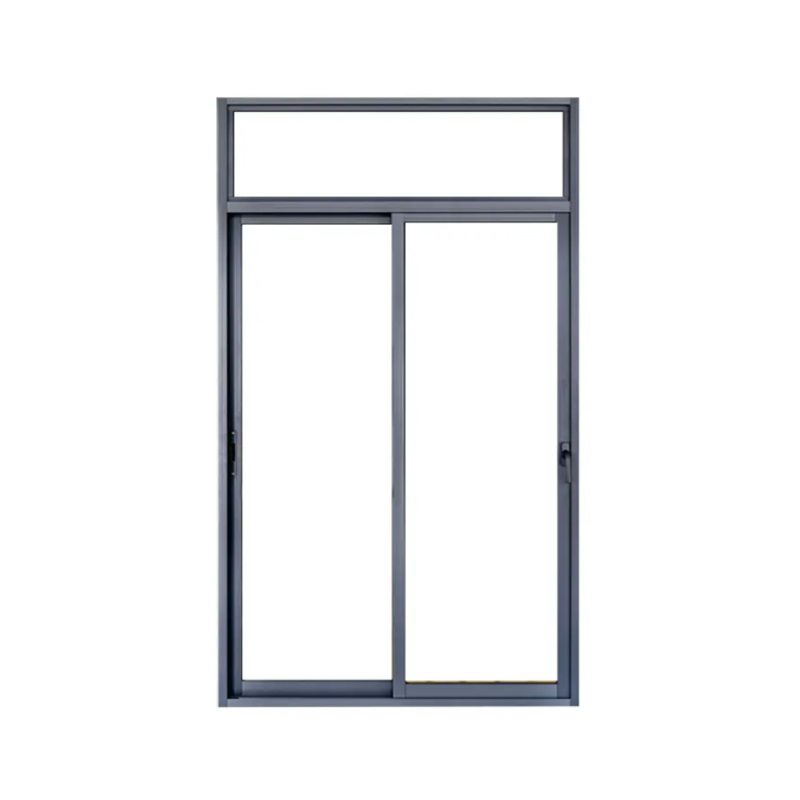
In modern architectural practice, the selection of windows has long transcended their basic functions of lighting and ventilation. It directly impacts a building’s energy consumption, durability, and aesthetic character. Based on over a decade of project experience and product tracking, I have observed that aluminum sliding windows have stood out among numerous options due to their outstanding comprehensive performance. Today, I will provide an in-depth analysis of the overwhelming advantages of aluminum windows compared to traditional PVC and wooden windows from five perspectives: structure, maintenance, energy efficiency, design, and environmental friendliness.
The primary advantage of aluminum windows lies in their structural quality of being “strong yet adaptable.” The 6063-T5 aluminum alloy profiles commonly used in our projects possess a tensile strength exceeding 160MPa, granting the windows exceptional resistance to wind pressure. This is particularly crucial for high-rise buildings, where they can effortlessly withstand strong winds.
Field Observation: In a coastal project, we compared the performance of aluminum and PVC windows. After five years, the PVC windows showed visible deformation and poor sealing, while the aluminum windows remained structurally sound and operated smoothly. This durability stems from the inherent corrosion resistance of aluminum alloy, enhanced by advanced surface treatments like powder coating or electrophoretic coating, allowing it to effectively resist acid rain, salt spray, and UV radiation, with a service life easily exceeding 30 years.
For property owners and managers, maintenance cost is a crucial long-term consideration. Aluminum windows excel in this area, offering a virtually maintenance-free solution.
My Recommendation: Routine cleaning with water or a neutral cleaner is typically sufficient to restore their finish. The hard surface resists scratching. In contrast, wooden windows require regular refinishing or sealing every 3-5 years to maintain appearance and prevent decay, incurring significant ongoing costs. While often marketed as low-maintenance, PVC windows are prone to surface yellowing and fading over time, and damage is difficult to repair effectively.
A common misconception is that aluminum windows are inherently poor insulators due to metal’s conductivity. This is outdated. The core of modern high-performance aluminum windows lies in “thermal break” technology.
Technical Insight: A “thermal break” involves inserting a strip of PA66 GF25 (nylon with 25% glass fiber) between the inner and outer parts of the aluminum profile. This strip acts as a barrier, significantly reducing heat transfer. When combined with double-paned Low-E glass and EPDM rubber seals, the overall thermal insulation performance (U-value) of the window assembly can easily achieve 2.0 W/m²·K or lower, fully complying with contemporary building energy codes. In our northern projects, using such windows has reduced winter heating energy consumption by an average of 15-20%.
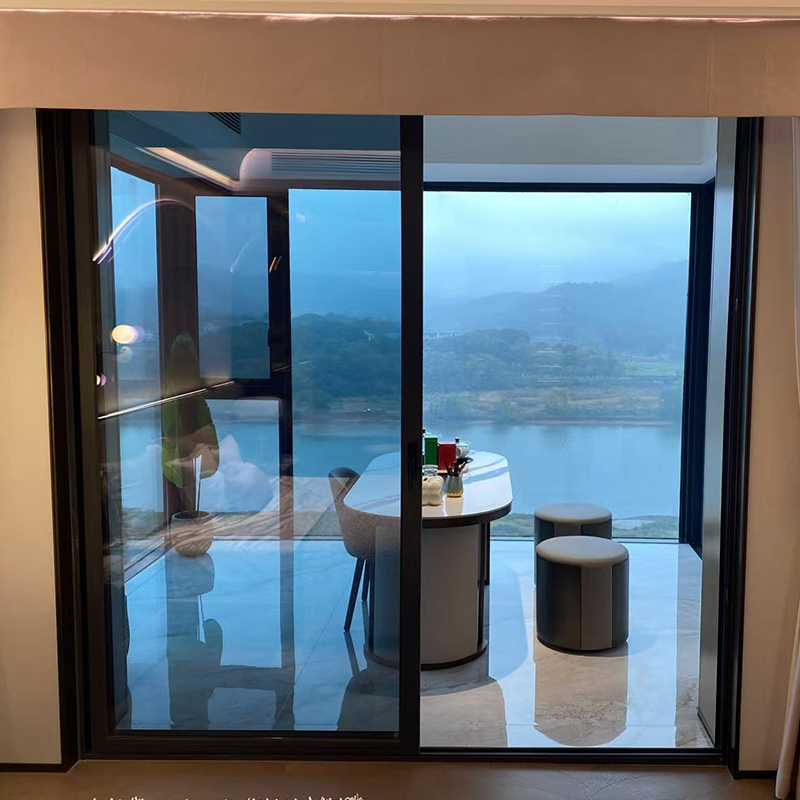
The high strength of aluminum allows for significantly slimmer window frame profiles, maximizing the glass area and thus the influx of natural light.
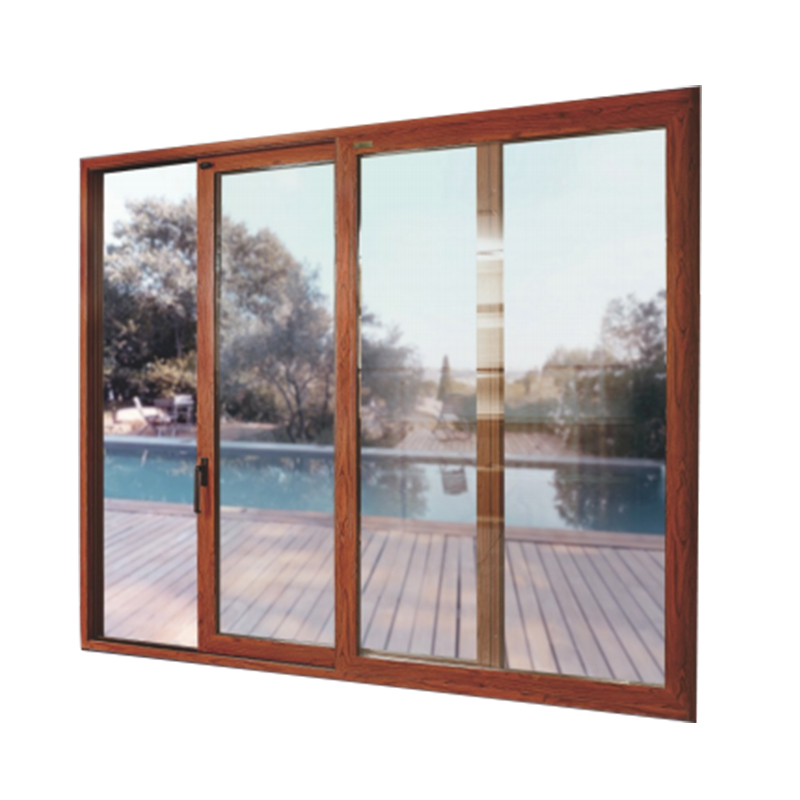
Design Perspective: This aligns perfectly with the modern minimalist aesthetic—eliminating visual barriers and creating a seamless connection between indoor and outdoor spaces. In contrast, PVC window frames need to be thicker to achieve comparable strength, compromising the view. While wooden windows offer natural warmth, achieving large spans with very narrow frames is often prohibitively expensive and technically challenging.
| Window Type | Maintenance Requirements | Ease of Cleaning | Long-Term Appearance Retention |
| Aluminum Sliding Windows | Very low, periodic wiping sufficient | Smooth surface, very easy to clean | Excellent, surface finish resists fading and degradation |
| PVC Sliding Windows | Moderate, avoid abrasive scratches | Acceptable, but seams trap dust | Fair, prone to yellowing after several years |
| Wooden Sliding Windows | High, require periodic painting/sealing | Difficult, wood is susceptible to moisture and damage | Variable, requires dedicated upkeep |
Environmental Facts: Aluminum is a 100% recyclable material. Remelting recycled aluminum requires only about 5% of the energy used for primary production. The profiles from our suppliers already incorporate over 40% recycled content. This stands in stark contrast to the potential white pollution caused by discarded PVC windows.
Cost Analysis: Although the initial cost of aluminum windows may be higher than that of PVC windows, their superior lifespan exceeding 50 years, virtually non-existent maintenance costs, and consistent energy savings result in a lower total cost of ownership in the long run. It is a wise investment that saves money over time.
In summary, aluminum sliding windows have become one of the top-performing solutions in the current market due to their robust and durable structure, low-maintenance convenience, high energy efficiency enabled by thermal break technology, trend-leading aesthetic design, and demonstrable environmental and economic advantages throughout their entire life cycle. I hope this practical analysis provides valuable and actionable insights for your window selection decisions.

Factory Address: No.21 Longfei Road, Qinghu Street, Jiangshan City, Zhejiang Province, ChinaHangzhou Office: Sanshen International Centre, Shuanglong Street, Jiangcun Street, Xihu District, Hangzhou, Zhejiang, China


whatsapp: +86-18072983795

+86-571-86632298
Copyright © Zhejiang Ruiguan Door and Window Co., Ltd. Rights Reserved.
 Wholesale Aluminum Alloy Windows Manufacturers