English
 Español
 عربى
 中文简体
Upload your drawings, BOQ or specifications, and our team will review them for quotation and solution support.


Upload your drawings, BOQ or specifications, and our team will review them for quotation and solution support.
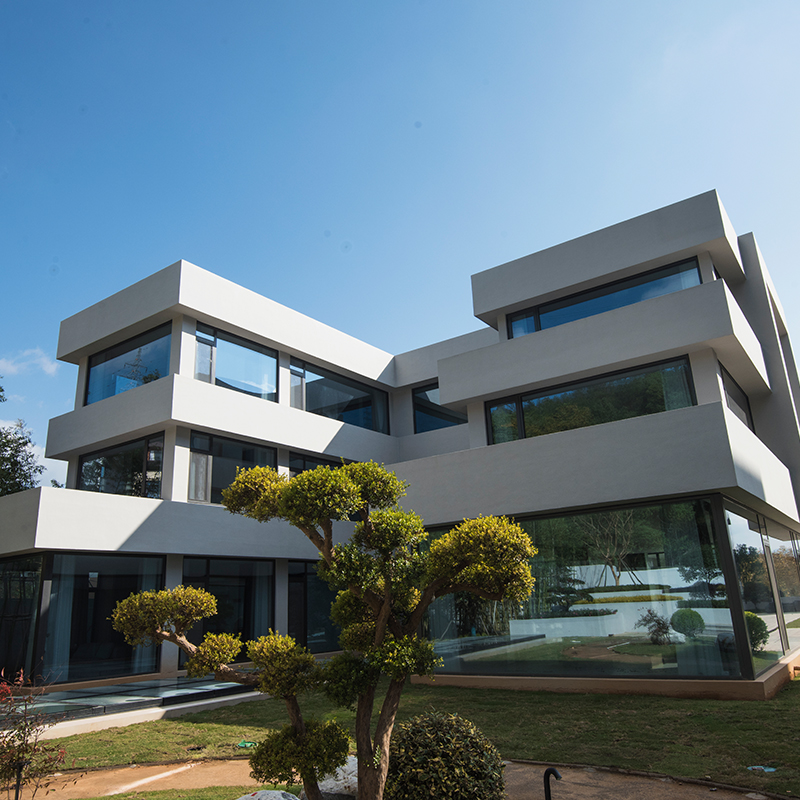
For coastal villas, residential windows and building facades, the finish on an aluminum profile is more than a color choice. Salt deposits, strong sunlight, moisture and repeated wet-dry cycles can all affect coating appearance and long-term performance.
If you are comparing powder coating with PVDF fluoropolymer coating, the most reliable approach is to compare the performance of the complete coating system—not just the coating name. A properly specified architectural powder coating can be suitable for many projects, while a qualified high-performance PVDF system may be preferred where long-term exterior weatherability is a priority.
|
QUICK ANSWER For highly exposed coastal projects, a documented high-performance PVDF/fluoropolymer coating system can be a strong option. Architectural-grade powder coating can also be appropriate when its pretreatment, coating specification and test evidence meet the project requirements. Ask for the coating system, applicable standard, test reports and warranty conditions before deciding. |
Powder coating is a dry finishing process. Powder particles are applied to a prepared metal surface—commonly by electrostatic spray—and then heated so the coating melts, flows and cures into a continuous film. The powder chemistry, pretreatment, application conditions and curing process all influence the final result.
Architectural powder coatings are available in a wide range of colors, gloss levels and textures. They are widely used on aluminum windows, doors, profiles and facade components. Depending on the coating grade and process control, powder coating can provide a durable finish for many residential and commercial applications.
Its performance should not be judged by the word “powder” alone. Ask whether the proposed product is intended for exterior architectural use, what performance specification it meets, and how the aluminum is pretreated before coating.
PVDF (polyvinylidene fluoride) is a fluoropolymer used in architectural coating systems because of its strong resistance to weathering and ultraviolet exposure. Architectural PVDF finishes are commonly supplied as liquid-applied coating systems, but formulations, layer structures and application requirements vary by product.
A PVDF label by itself does not prove that a finish meets a particular architectural performance standard. The resin formulation, pigment package, pretreatment, film thickness, application process and curing conditions all matter. Always request the technical data sheet and evidence for the exact coating system being specified.
The table below provides a practical overview. It is a general comparison, not a substitute for product-specific test reports or project specifications.
|
Comparison |
Powder coating |
PVDF coating |
|
Coating form |
Dry powder applied to a prepared surface and thermally cured. |
Fluoropolymer-based coating system, commonly liquid-applied for architectural aluminum. |
|
Available finishes |
Broad range of colors, gloss levels and textures. |
Broad color range; appearance and gloss depend on the specified system. |
|
Weatherability |
Varies by powder chemistry, grade, pretreatment and process. |
High-performance PVDF systems are selected for strong exterior weatherability; verify the actual specification. |
|
Corrosion protection |
Depends on pretreatment, film integrity, thickness, edge coverage and coating grade. |
Also depends on pretreatment, film integrity, thickness, edge coverage and application quality. |
|
Color and gloss retention |
Must be assessed against the coating grade and relevant exposure/test data. |
Often a key strength of qualified PVDF systems; confirm published test data and warranty. |
|
Initial cost |
Often a cost-effective option, depending on product and process. |
Often carries a higher initial cost; obtain a project-specific quotation. |
|
Best-fit decision |
Suitable when the selected architectural powder system meets the exposure and specification. |
Worth considering when high exterior weatherability and long-term appearance are key project priorities. |
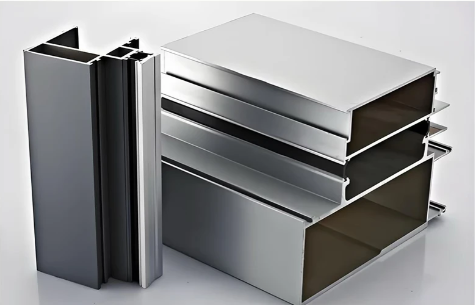
Coastal exposure is not defined by distance from the shoreline alone. Prevailing wind, site elevation, building orientation, shelter, rainfall, washing frequency and local pollution all influence how much salt and moisture reach an aluminum surface.
Wind-borne salt can settle on frames, joints and horizontal surfaces. When deposits remain wet, they can contribute to corrosion at coating defects, cut edges, fasteners or poorly protected areas. A sound coating system helps protect the substrate, but no finish should be described as completely impervious to every coastal condition.
Strong sunlight can gradually change the color and gloss of exterior coatings. The rate of change depends on resin chemistry, pigments, coating grade, orientation and exposure. For projects where appearance retention is important, request weathering performance data for the exact product and color.
Repeated heating, cooling and wet-dry cycles place demands on the coating and the interface between coating and substrate. Correct surface preparation, application and curing are essential to adhesion and long-term film integrity.
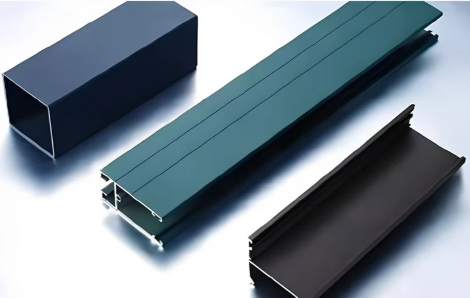
For architectural aluminum, compare documented performance against the standards named in the project specification. In North America, the AAMA 2603, AAMA 2604 and AAMA 2605 specifications are commonly referenced for organic coatings on aluminum extrusions and panels. FGIA announced updated 2026 editions—AAMA 2603-26, 2604-26 and 2605-26—covering performance requirements and test procedures.
These specifications describe different performance levels; they are not a simple statement that every powder coating belongs to one level or every PVDF coating belongs to another. The coating manufacturer or applicator should identify the exact system and provide the relevant documentation.
For architectural powder coating, QUALICOAT specifications set requirements for coating plants and equipment, coating materials and finished products. Where a project requires QUALICOAT compliance, confirm the applicable class, approved coating material, pretreatment system and licensed applicator status.
A salt-spray test report can be useful, but test hours should not be converted directly into years of service life. Ask what standard and test conditions were used, what substrate and pretreatment were tested, what coating thickness was applied, and what acceptance criteria were assessed.
1. Assess the actual exposure. Record the project location, distance and orientation to the sea, prevailing wind, shelter, building height and expected maintenance access.
2. Define the performance requirement first. Specify the applicable standard or project criteria, desired appearance retention, corrosion performance and warranty expectations before selecting a coating label.
3. Check the complete coating system. Request the coating manufacturer, product name, resin type, pretreatment process, nominal dry film thickness, number of coats where relevant, curing requirements and technical data sheet.
4. Review evidence for the exact system. Ask for test reports or certification documents that match the proposed coating, substrate, pretreatment, color range and application process. Do not rely on a generic brochure alone.
5. Consider profile design and fabrication. Drainage, water traps, cut ends, joints, fasteners and contact between dissimilar metals can affect durability even when the visible coating is high quality.
6. Compare lifecycle cost. Consider initial price, cleaning access, maintenance frequency, repair difficulty, replacement cost and the importance of long-term facade appearance.
|
Project condition |
Selection guidance |
|
Sheltered coastal residence |
A qualified exterior-grade powder coating may be suitable if its documented performance meets the project exposure and specification. |
|
Seafront villa with high sun and salt exposure |
Consider a high-performance PVDF/fluoropolymer system where appearance retention and weatherability are priorities; verify the system documentation. |
|
Commercial facade or high-rise project |
Follow the architect’s performance specification and require traceable coating-system documentation, quality-control records and agreed inspection criteria. |
|
Budget-sensitive project |
Compare compliant coating systems on a like-for-like basis. Do not reduce pretreatment or process control simply to lower the initial price. |
At REGWEN, surface-finish selection is considered alongside the aluminum profile system, project location, architectural requirements and intended service environment. We can discuss available powder-coated and PVDF/fluorocarbon finish options for customized aluminum windows and doors.
For a project-specific recommendation, share the project location, elevation or exposure conditions, profile series, preferred color, required coating standard and any available specification or test-report requirements. This information helps our team review the appropriate finish options with you.
Is PVDF coating always better than powder coating for coastal areas?
Not automatically. A qualified PVDF/fluoropolymer system can offer strong exterior weatherability, but an architectural powder coating may also be suitable when its complete system meets the project requirements. Compare documented performance, not labels alone.
Can powder-coated aluminum be used near the sea?
Yes, if the selected exterior architectural powder coating, pretreatment and application process are appropriate for the exposure and comply with the project specification. Ask for product-specific evidence and maintenance guidance.
Does PVDF coating prevent salt corrosion completely?
No coating should be described as completely corrosion-proof. Performance depends on the coating system, pretreatment, film integrity, fabrication details, installation and maintenance.
What is the difference between AAMA 2604 and AAMA 2605?
They are different performance specifications for organic coatings on architectural aluminum. AAMA 2605 represents a higher performance category than AAMA 2604. Confirm the current edition and the exact coating system’s documented compliance.
How can I compare coating prices fairly?
Compare the same alloy and profile, surface preparation, coating system, color, finish, film-thickness requirement, inspection criteria, packaging and warranty. A simple price-per-square-meter comparison may not include equivalent specifications.
What documents should I request from a coating supplier?
Request the technical data sheet, coating-system identification, pretreatment details, applicable standard or certification, relevant test reports, quality-control records and written warranty conditions.
For project specifications, always consult the current standard and the coating manufacturer’s documentation. The following industry references provide further information:
Choosing the right finish is one part of building a durable window and door system. REGWEN welcomes inquiries from contractors, developers, architects, distributors and project owners seeking customized aluminum window and door solutions.
Contact REGWEN to discuss your project drawings, finish preferences and technical requirements.

Factory Address: No.21 Longfei Road, Qinghu Street, Jiangshan City, Zhejiang Province, ChinaHangzhou Office: Sanshen International Centre, Shuanglong Street, Jiangcun Street, Xihu District, Hangzhou, Zhejiang, China


whatsapp: +86-18072983795

+86-571-86632298
Copyright © Zhejiang Ruiguan Door and Window Co., Ltd. Rights Reserved.
 Wholesale Aluminum Alloy Windows Manufacturers